If you grow up in Kerala, Karkidakam is the month the rain doesn't stop, when grandmothers start making medicinal rice gruel and Ayurveda centres get busy. If you didn't, it can seem odd to plan a wellness trip for the wettest weeks of the year. Here's why so many people do.
What Karkidakam is
Karkidakam is the last month of the Malayalam calendar, falling between mid-July and mid-August. In 2026 it began on 17 July. It sits in the middle of the south-west monsoon, and it's also when many Hindu homes read the Ramayana, which is why it's sometimes called the Ramayana month.
Why Ayurveda in this month
Ayurveda's reasoning is about the season. The shift from summer heat to cool, damp rain is said to weaken agni, the digestive fire, leaving people prone to digestive trouble and seasonal infections, with the body's natural defences at their lowest. Treatment in this month aims to rekindle digestion, clear the system and restore the balance of the three doshas.
There's a practical side too. The weather keeps you indoors, the air is cool, and the pores are said to be open to medicated oils. It's a month that suits rest.
What treatment involves
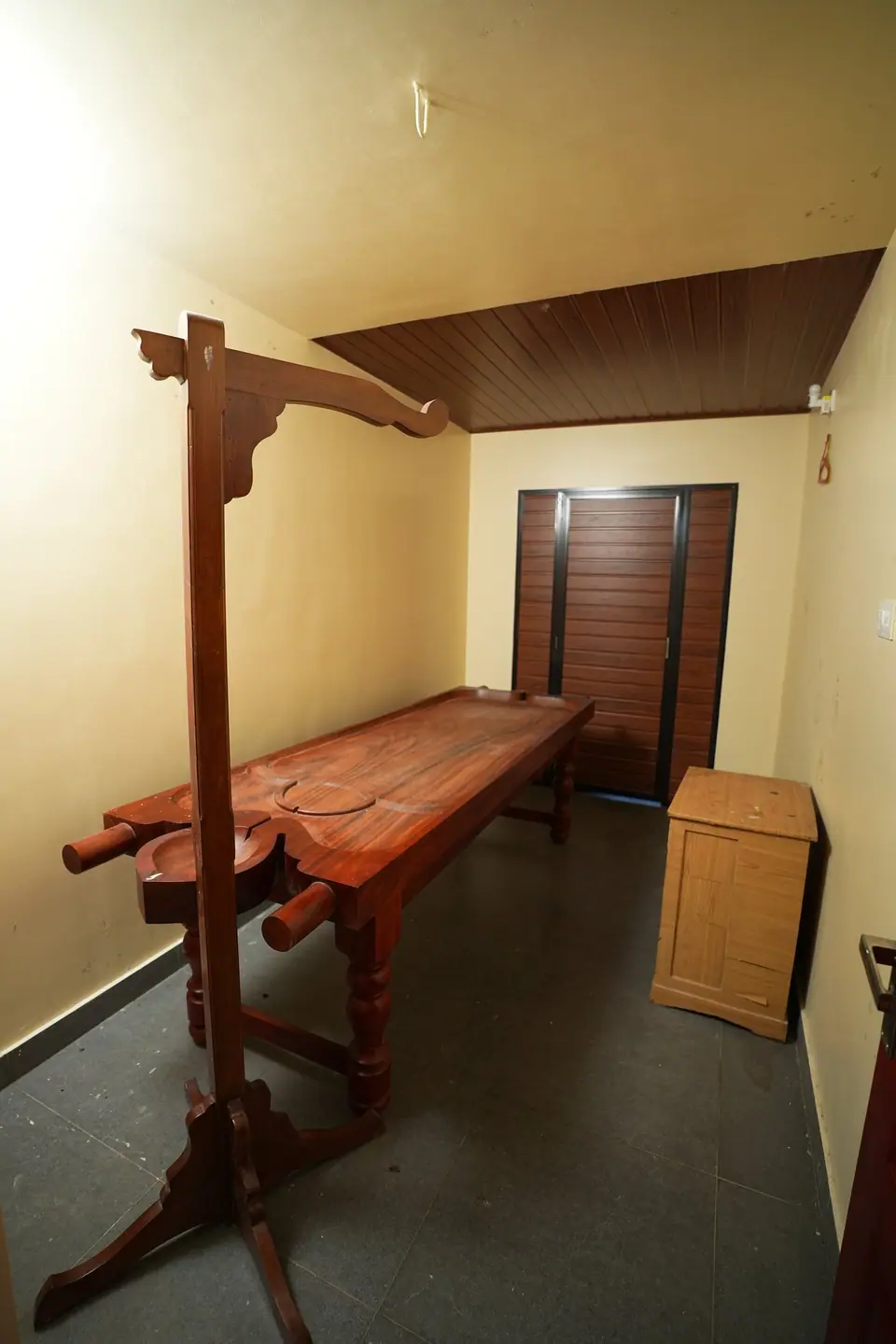
A Karkidakam programme is planned by a physician after looking at your constitution and history, so no two are the same. Commonly it starts with Snehana (oiling) and Swedana (sweating or steam), leading on to therapies such as Uzhichil (oil massage), Pizhichil, Njavarakizhi and Elakizhi. For some people the physician will add one or more of the Panchakarma cleansing procedures.
Diet is a big part of it: light, warm, easy to digest food, and usually the medicinal gruel below.
Karkidaka kanji
Oushadha kanji, or medicinal gruel, is the dish everyone associates with the month. It's made with Njavara rice and herbs such as Panchakola and Dashamoola, with rock salt, and sometimes enriched with coconut milk or jaggery. Some families add Dashapushpam, ten traditional Kerala plants, as juice or in the gruel. Talk to a practitioner before adding medicinal herbs, especially if you take other medicines.
Be careful
Panchakarma therapies are powerful. Kerala's own practitioners stress that they should only be done under a qualified Ayurvedic physician who has assessed you first. Treat the month as the start of a healthier routine rather than a 30-day fix, and keep taking any medicines your own doctor has prescribed.
Planning a monsoon stay
- Book early. Established centres can fill up for Karkidakam.
- Allow at least a week. Most physicians won't do much in less.
- Expect rain. Pack light clothes, an umbrella and something to read. Boat trips and beach days depend on the weather on the day.
- Bring your medical details: conditions, medicines, recent surgery, pregnancy.
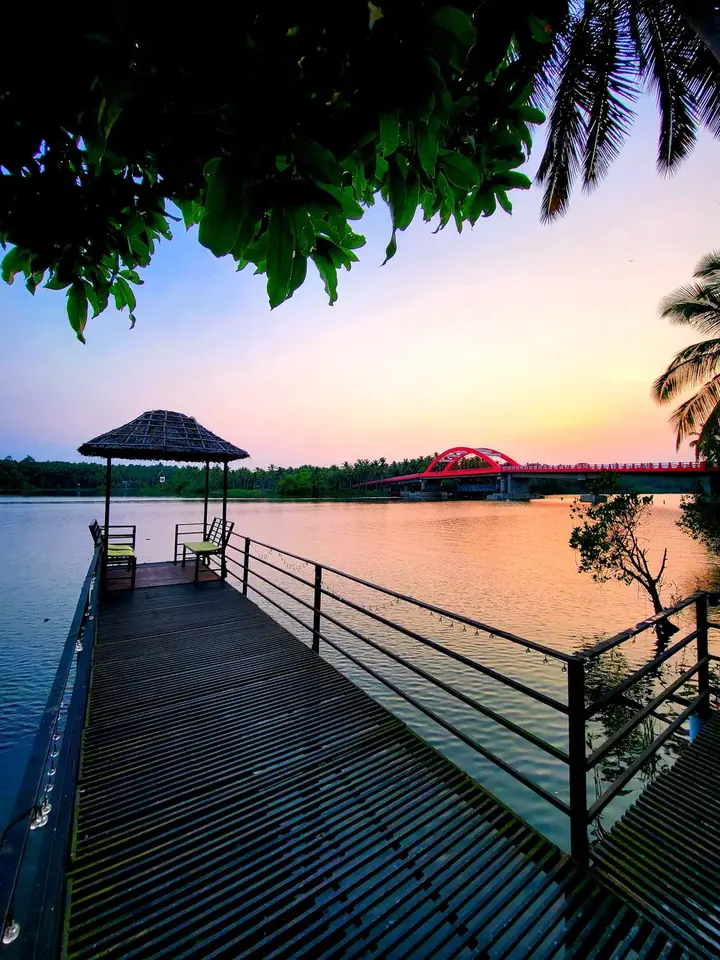
At BelleVue, on the Korapuzha in Kozhikode, the monsoon is our favourite season: the river runs high, the garden is at its greenest and the rain on the roof is the best sleeping sound there is. Our Ayurveda homestay stays start with a consultation with a qualified doctor, who decides which therapies suit you. The detox programme and the lighter wellness vacation are the ones monsoon guests ask about most.
This guide is general information, not medical advice.
Sources
- Onmanorama: Why Karkidakam matters for Ayurveda treatment (July 2026)
- Kerala Tourism: Monsoon in Kerala
Written by the BelleVue team in Koyilandy, Kozhikode. Last updated 12 October 2026.